12-DAY MONGOLIA AND LAKE BAIKAL
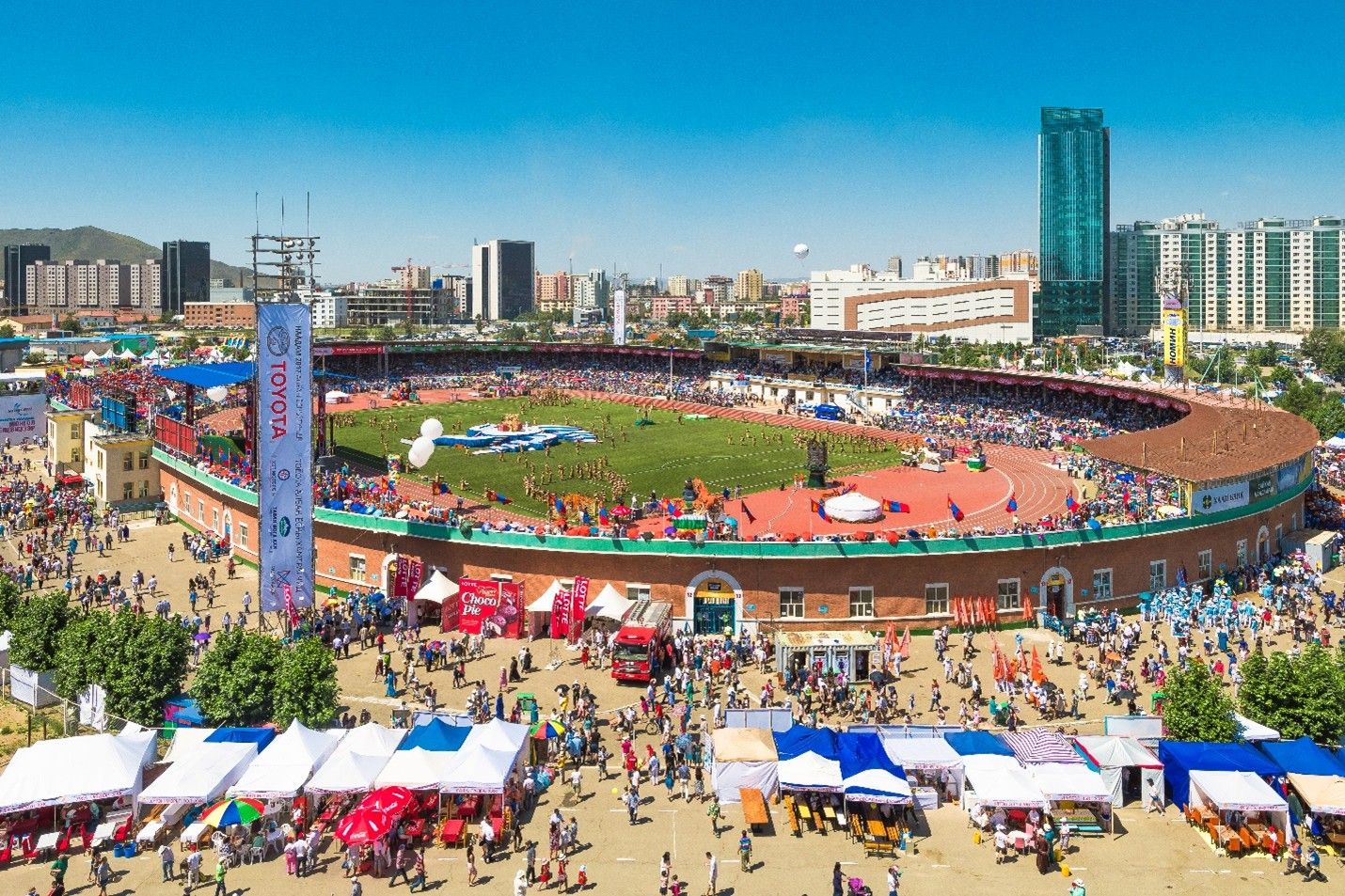
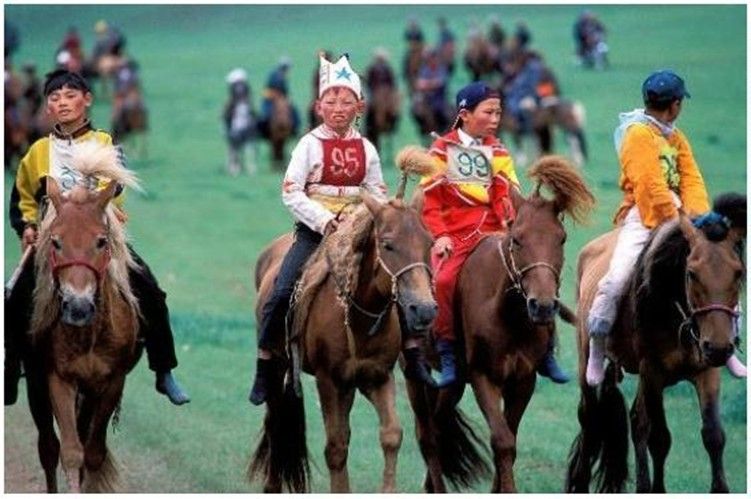
Mongol Naadam and Two Gems Expedition: Gobi and Khuvsgul is a unique festival-based journey that combines Mongolia’s most iconic cultural event with its most stunning natural landscapes. Timed to coincide with the world-famous Naadam Festival, this tour offers travelers the chance to witness Mongolia’s “Three Manly Games” — wrestling, archery, and horse racing — in an authentic and vibrant atmosphere.
Key info



Overview
A 12-day winter journey combining Ulaanbaatar’s cultural highlights with the frozen landscapes of Lake Baikal. Travel north by rail to Irkutsk and Olkhon Island for winter scenery, ice formations and Buryat cultural encounters, then return to Mongolia for Terelj National Park and the Chinggis Khaan Statue Complex. Exact rail operations, border requirements and winter activities remain subject to schedule, weather and ice conditions.
The package includes:
- Meals as noted in itinerary (Breakfast-B, Lunch-L, Dinner-D)
- English speaking guide
- Accommodations as noted in the itinerary
- Bottled or filtered water 2servings per day
- All ground transportation, including airport transfers
- All sightseeing, events, and visits as noted in the itinerary
- All entrance fees, service charges, and standard taxes
- Train Ticket
The package excludes:
- Travel Insurance
- Single accommodation (available on request)
- Round trip airfare and en-route expenses to/from your trip in Mongolia
- Passport and visa fees
- Increase in VAT or other tourism taxes, which may occur at any time
- Excess baggage charges, departure fees, and airport taxes
- Personal expenses and incidentals, such as phone calls, internet, and laundry
- Trip cancellation, travel delay, and baggage loss insurance
- Charges incurred as a result of delays beyond the control
- Gratuities for trip leaders, local guides, drivers, porters, and other staff
Itinerary
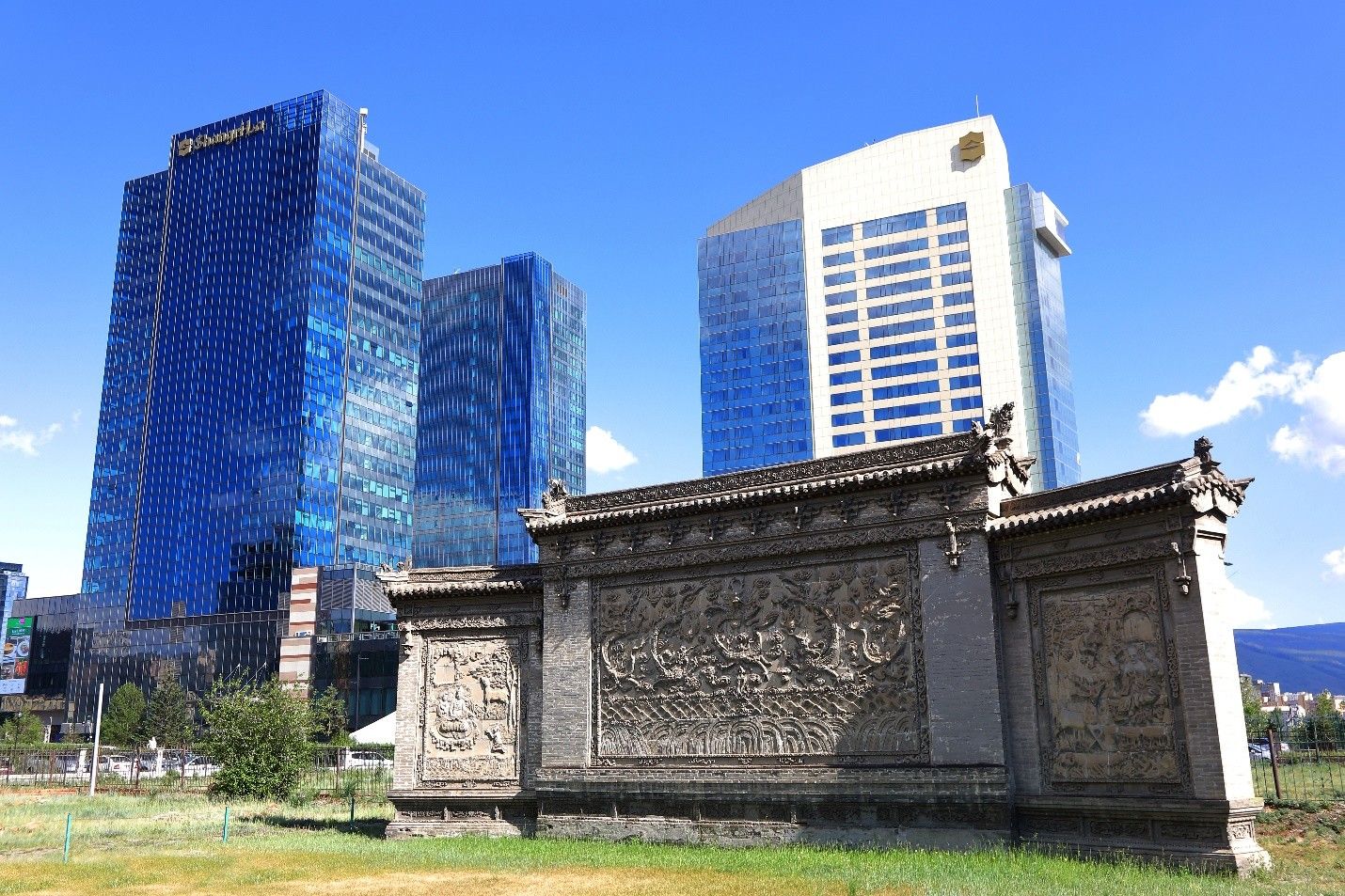
Begin your journey to Mongolia with an international flight , followed by a connecting flight with MIAT Mongolian Airlines to Ulaanbaatar, the capital of Mongolia. Upon arrival, meet your local representative and transfer to your hotel for check-in and rest. Ulaanbaatar, formerly known as Urga, is the political and cultural center of Mongolia and the largest city in the country. Take the evening to relax and prepare for the exciting journey ahead.
Accommodation: 4 Star Hotel
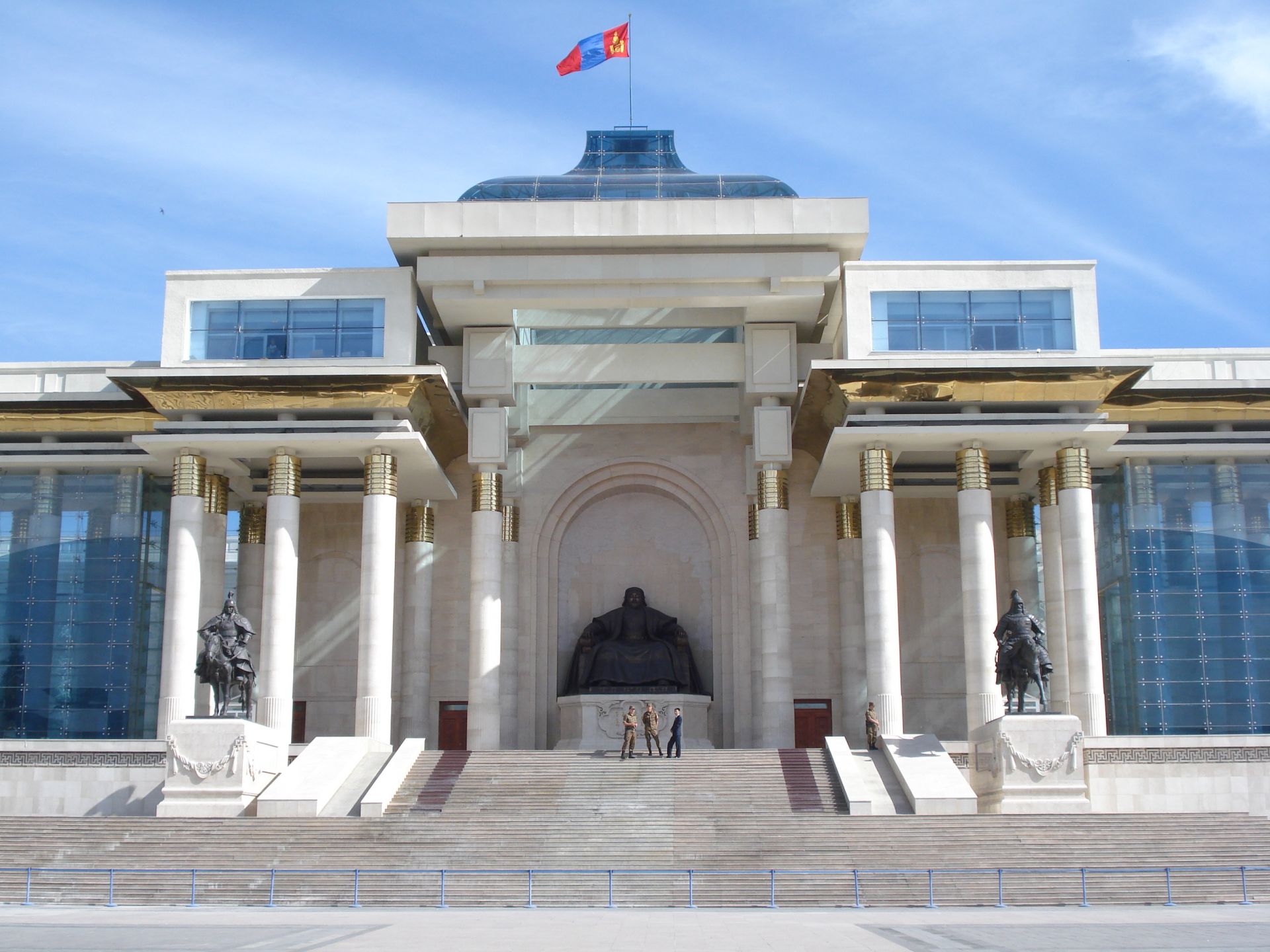
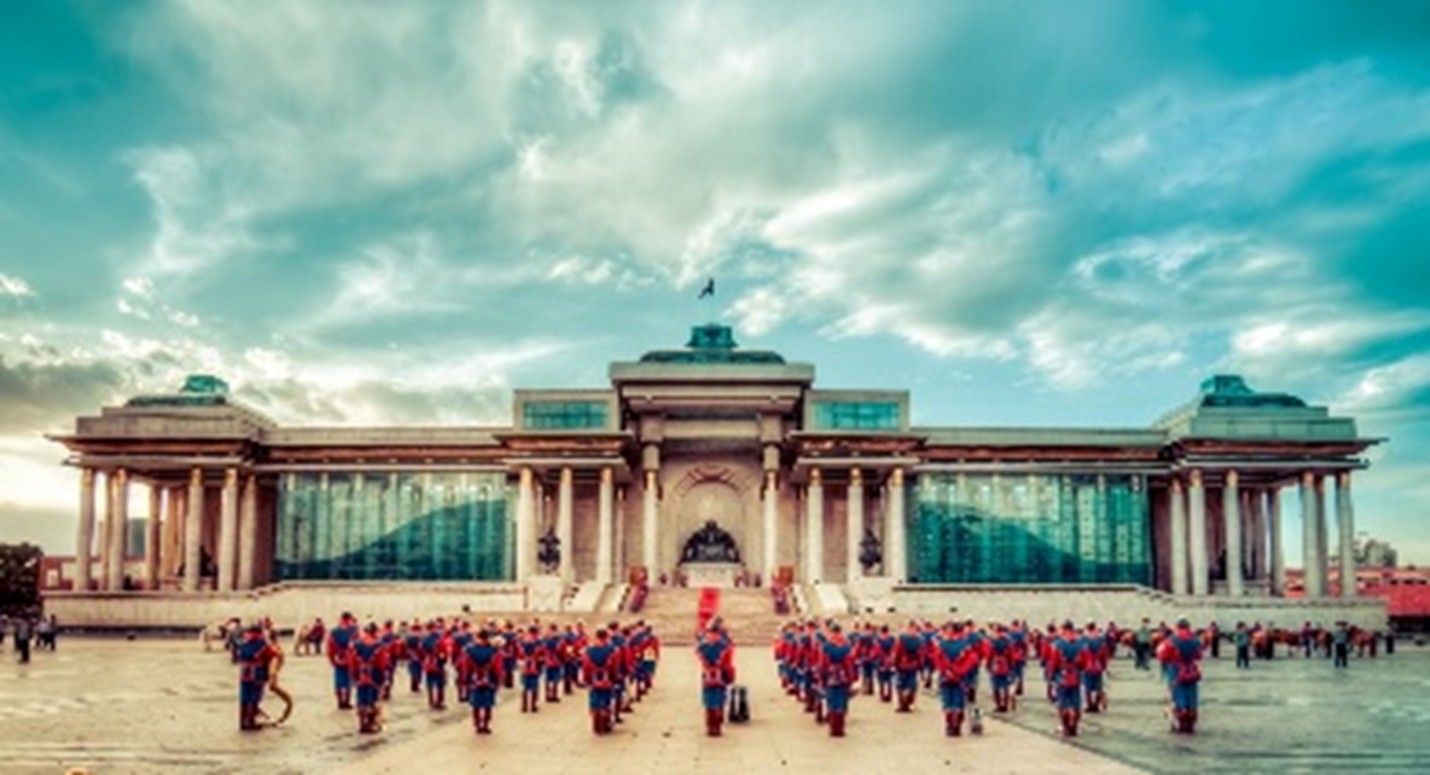
Begin your exploration of Ulaanbaatar with a visit to Sukhbaatar Square, the heart of the capital and an important gathering place surrounded by some of the city’s most significant landmarks. Continue to the Chinggis Khaan National Museum, where you will discover Mongolia’s rich history and the legacy of its great khans. Afterward, visit Zaisan Memorial, located on a hill overlooking the city and offering panoramic views of Ulaanbaatar. Continue to the Bogd Khan Winter Palace, the former residence of Mongolia’s last king and an important historical site preserving valuable religious and cultural collections. In the evening, experience the beauty of Mongolian performing arts with a traditional cultural performance featuring throat singing, morin khuur, and contortion, providing an unforgettable introduction to Mongolia’s unique cultural heritage.
Meals:B/L/D
Accommodation: 4 Star Hotel
Start the day with a visit to Gandan Monastery, Mongolia’s largest and most important Buddhist monastery and one of the country’s most significant religious landmarks. Continue to the State Department Store, where you can explore local souvenirs, cashmere products, and other Mongolian specialties. After lunch, transfer to the railway station and board the international Trans-Siberian train bound for Irkutsk. Settle into your cabin and enjoy the changing landscapes as the train travels north toward Russia. Overnight on the train. During the journey, the train will make border stops at Sukhbaatar in Mongolia and Naushki in Russia for immigration and customs procedures.
Meals: B/L/D
Accommodation: Sleeper Train
Arrive in Irkutsk, one of Siberia’s historic cities, often known as the “Paris of the East” and the “Pearl of Siberia.” Begin your city exploration at Kirov Square, a central gathering place surrounded by important historical and religious landmarks. Continue to the Church of the Savior (Spasskaya Church), one of the oldest stone churches in Irkutsk, before visiting the historic Shastin House, also known as the House of Europe. Admire the beautifully decorated wooden architecture that has become one of the defining features of the city. Take time to experience the atmosphere of Irkutsk and its historic streets before returning to your accommodation for the evening.
Meals: B/L/D
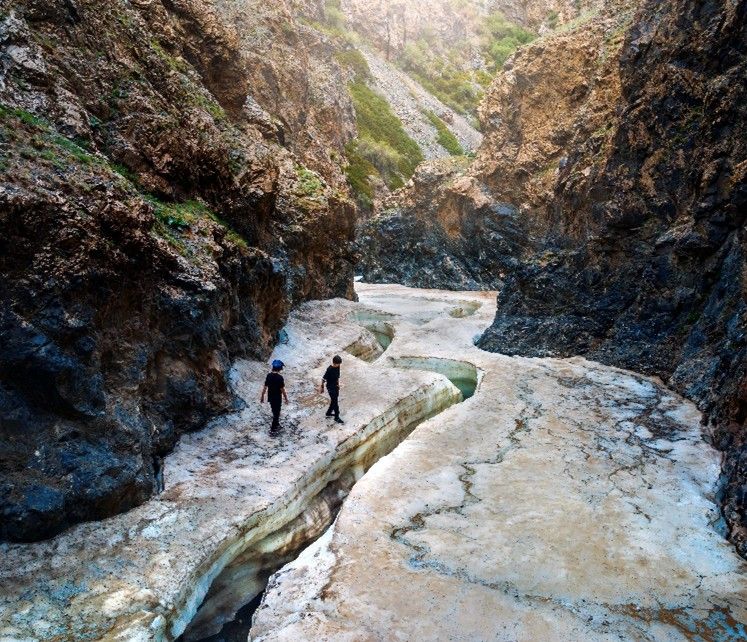
After breakfast, begin the day with a visit to the Central Market, a lively local market where you can experience the atmosphere of Irkutsk and discover regional specialties and souvenirs. Continue to a traditional Buryat Village, located outside Irkutsk, where you will gain insight into Buryat culture, legends, spiritual traditions, and everyday life. Enjoy a traditional Buryat-style meal accompanied by a folk dance performance. Continue your journey toward the western shore of Lake Baikal and cross by ferry to Olkhon Island, the largest island in Lake Baikal and often regarded as the spiritual heart of the lake. Upon arrival, explore the surrounding sacred rock formations and enjoy the peaceful atmosphere of the island before checking in to your accommodation.
Meals: B/L/D
Accommodation: 4 Star Hotel
Remarks:
1. Transportation from the ferry terminal to Olkhon Island may vary depending on ice conditions in winter. Options include hovercraft or the classic 4WD UAZ-452 van (nicknamed “Bukhanka” or “bread van”), a widely used and iconic vehicle in Russia since the 1960s and still in operation today.
2. The appearance and color of the ice vary depending on weather and temperature conditions. The itinerary may be adjusted accordingly based on local arrangements.
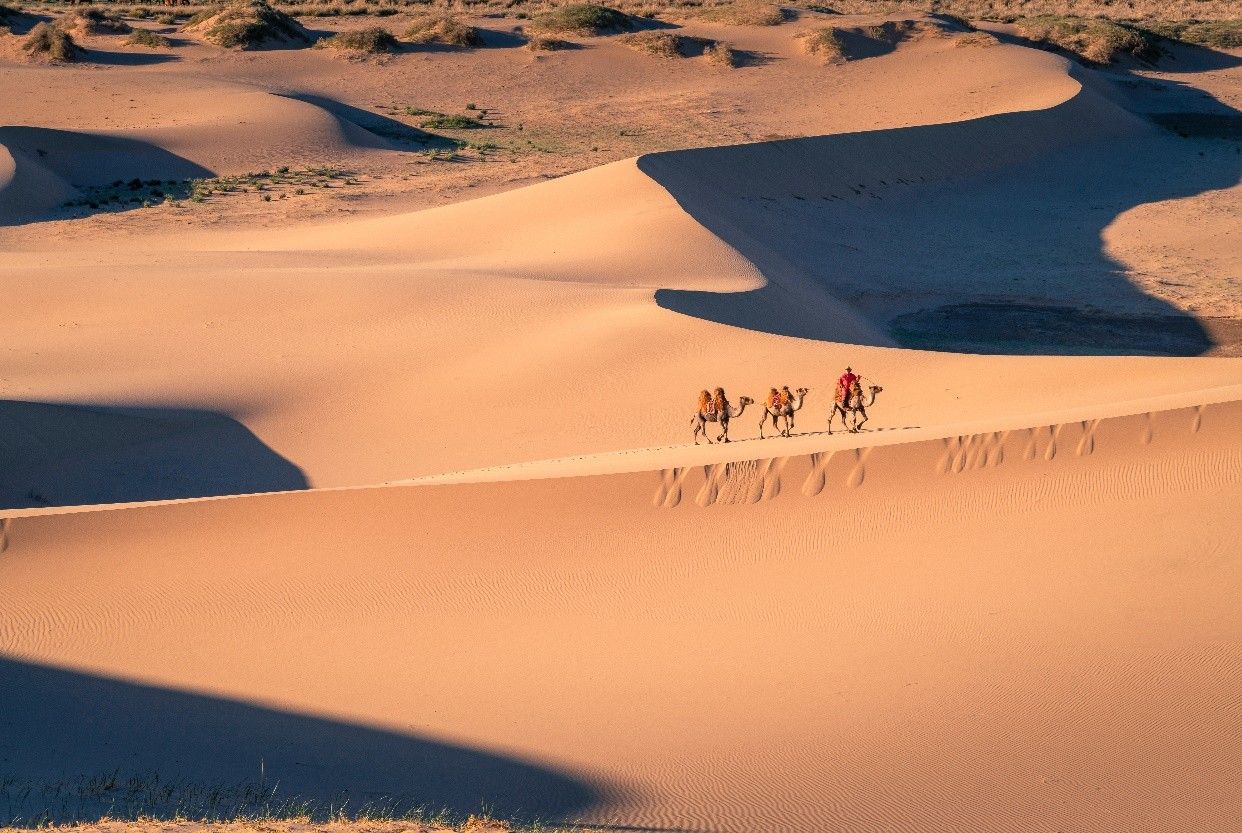
Begin the morning with an opportunity to capture the sunrise around Khuzhir Village before setting out toward the northernmost point of Olkhon Island, Cape Khoboy. Along the way, discover spectacular natural landmarks including Harantsy, Crocodile Island, Face Rock, and Three Brothers Rock. Continue to Cape Khoboy, one of the most iconic viewpoints on Olkhon Island. During winter, the area becomes especially remarkable for its dramatic blue ice formations, caves, and frozen landscapes. Weather and ice conditions may influence the exact route and activities. In the evening, return toward Cape Burkhan and Shaman Rock, a sacred site for the Buryat people and an important spiritual landmark on the island. Enjoy the sunset and take in the serene atmosphere of Lake Baikal.
Meals: B/L/D
Accommodation: 4 Star Hotel

After breakfast, set out to explore the southern part of Olkhon Island, where the landscape offers a striking contrast to the northern route. Travel toward the Small Sea, surrounded by dramatic winter scenery, frozen shorelines, ice caves, ice cracks, and unique natural formations. Along the route, enjoy an exciting ice fishing experience, using an ice drill to create a fishing hole and experience one of Lake Baikal’s traditional winter activities. Continue toward Ogoi Island, known for its distinctive rock formations and scenic views across the frozen lake. Throughout the journey, discover the famous bubble ice formations white bubbles trapped within the transparent layers of frozen Lake Baikal, creating one of the region’s most fascinating natural sights.
Meals: B/L/D
Accommodation: 4 Star Hotel
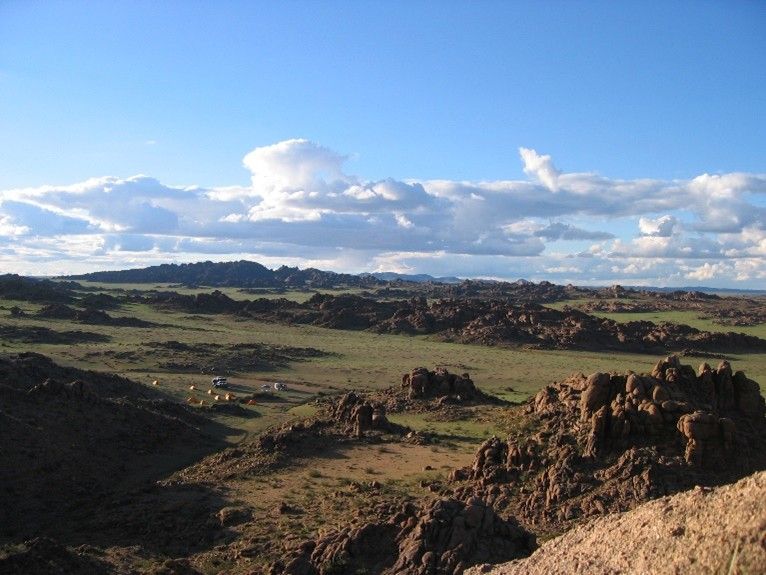
Leave Olkhon Island and return toward Irkutsk. Upon arrival, enjoy a relaxing walk along the Angara Riverside, following the only river that flows out of Lake Baikal. Take in the scenic views and historic landmarks along Gagarin Avenue. Continue to Kazan Church, one of the most impressive religious landmarks in Irkutsk and a notable example of the city’s architectural heritage. Spend the remainder of the day experiencing the atmosphere of Irkutsk before enjoying dinner.
Meals:B/L/D
Accommodation: 4 Star Hotel
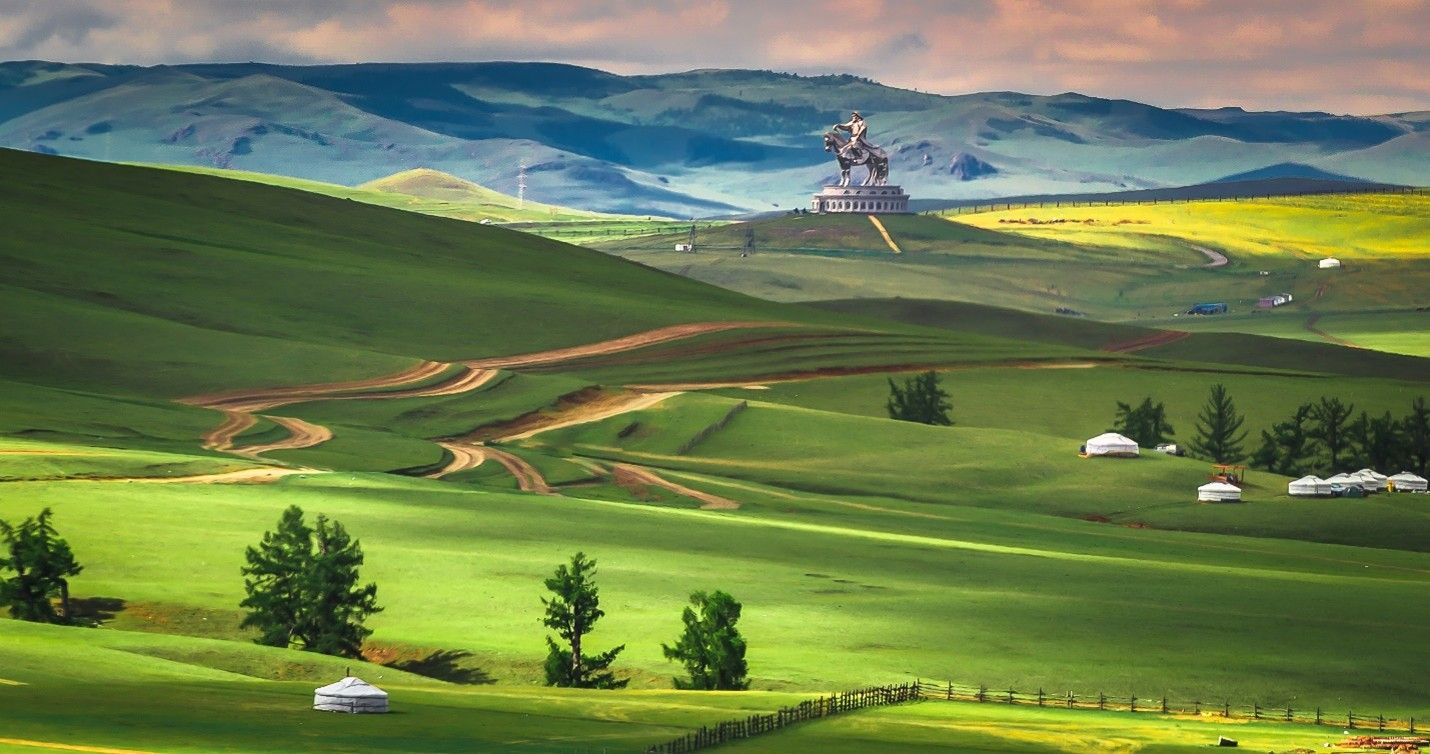
Travel from Irkutsk to Listvyanka, a picturesque settlement on the southern shore of Lake Baikal. Discover the spectacular scenery of the world’s deepest freshwater lake and experience its distinctive winter landscapes. Enjoy an air-cushion boat cruise over the frozen surface of Lake Baikal, offering a unique perspective of the lake and its surrounding shoreline. Continue to the Baikal Museum, where you can learn about the lake’s ecosystem, endemic wildlife, and natural history. Visit the Baikal Fish Market and Souvenir Market to explore local specialties and regional handicrafts. Continue to the Taltsy Ethnographic Museum, an open-air museum showcasing traditional wooden architecture and the historical lifestyles of the Russian and Buryat peoples. Return to Irkutsk and explore Karl Marx Street and the 130 Wooden Quarter, known for its historic wooden houses, shops, cafés, and lively atmosphere. In the evening, enjoy a traditional Caucasian BBQ dinner accompanied by a folk performance before continuing your journey back to Ulaanbaatar.
Meals:B/L/D
Accommodation: 4 Star Hotel
Begin your countryside adventure with a visit to the impressive Chinggis Khaan Statue Complex, home to one of the world’s largest equestrian statues of Chinggis Khaan. Explore the museum inside the monument and enjoy panoramic views of the surrounding Mongolian steppe from the observation platform. Continue to Gorkhi-Terelj National Park, one of Mongolia’s most scenic natural destinations, where forested mountains, open grasslands, rivers, and distinctive rock formations create a spectacular landscape. Visit the famous Turtle Rock and experience a traditional Mongolian countryside atmosphere surrounded by ger camps and grazing livestock. Later, enjoy a memorable snow horse-riding experience, accompanied by professional local herders, across the winter landscape.
Meals: B/L/D
Accommodation: Ger Camp
Continue exploring Gorkhi-Terelj National Park with visits to its distinctive natural formations, including Turtle Rock, Camel Rock, and Pig-Dog Rock. Enjoy the spectacular winter scenery of snow-covered mountains, pine forests, and open valleys. Experience an exciting snow safari dog sledding adventure with Siberian huskies. Travel across the snowy landscape while experiencing the speed and energy of these specially trained sled dogs. After the outdoor adventure, return toward Ulaanbaatar and visit a Mongolian cashmere flagship store, where you can discover one of Mongolia’s most renowned exports and shop for high-quality cashmere products.
Meals: B/L/D
Accommodation: 4 Star Hotel
After breakfast, transfer to Chinggis Khaan International Airport for your departure flight. Your 12-day journey through Mongolia and Lake Baikal comes to an end as you continue your onward journey via Hong Kong. Depart Mongolia with unforgettable memories of its vast landscapes, rich nomadic heritage, unique culture, and the spectacular natural beauty of Lake Baikal.
Meals: B/L/D
Accommodation: N/A – Departure
Gallery
Холбоотой аялалуудRelated Tours関連ツアー관련 투어Circuits associésÄhnliche Touren
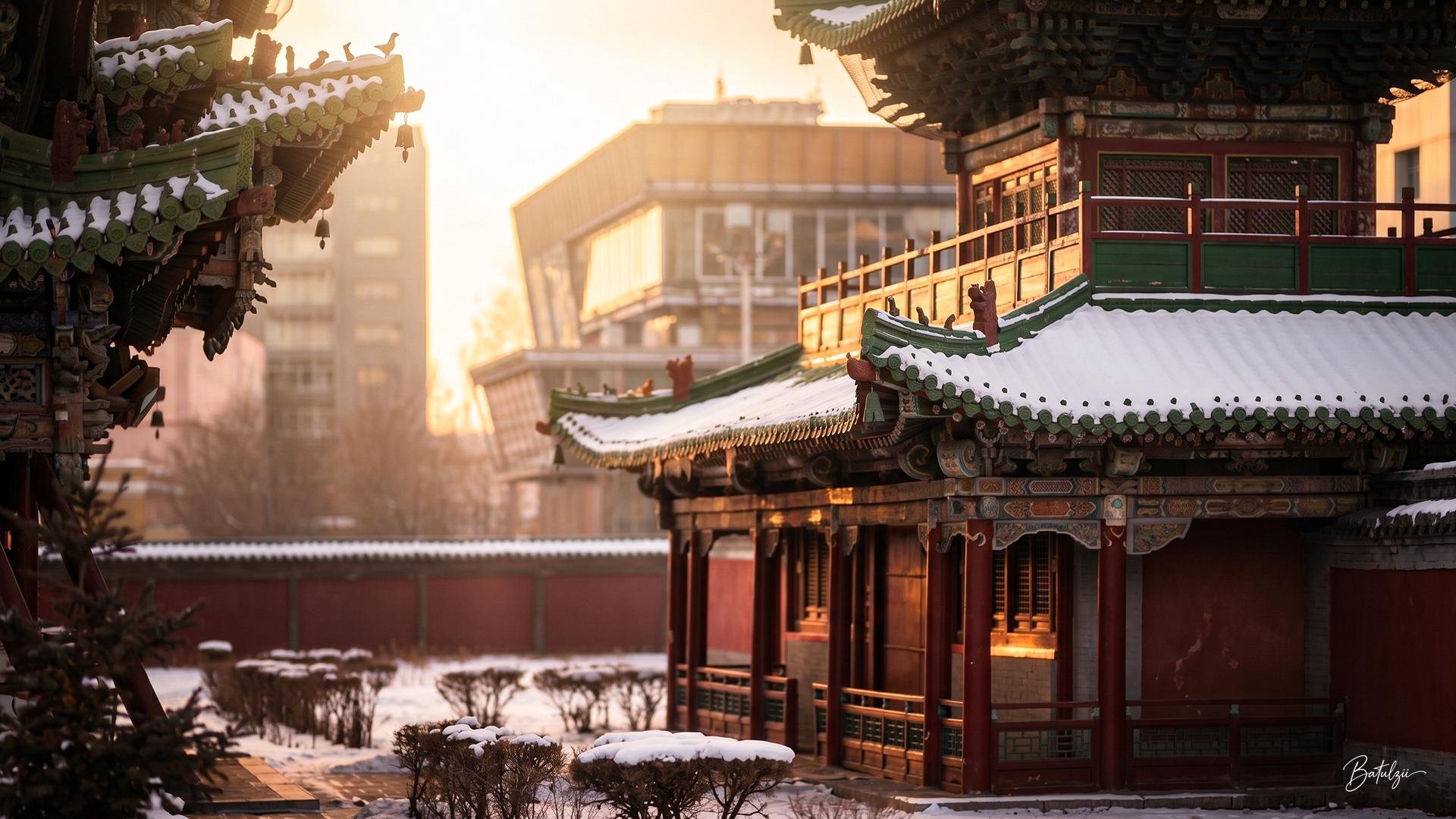
8-DAY Mongolia Winter Discovery
An 8-day winter journey through Mongolia exploring Ulaanbaatar, Khustai National Park, Karakorum, and Terelj National Park while experiencing nomadic culture, historic sites, wildlife, and traditional Mongolian hospitality in snowy landscapes.
- Duration8 Days/ 7 Nights
- Date
- Starting fromFrom
- DestinationCentral Mongolia
- Дэлгэрэнгүй хөтөлбөр